Never Miss Another Plumbing Call
When your plumbers are under a sink or threading pipe, the office phone keeps ringing. Here's how a properly configured AI assistant helps plumbing businesses capture every call, qualify every lead, and keep the schedule full — without adding payroll.
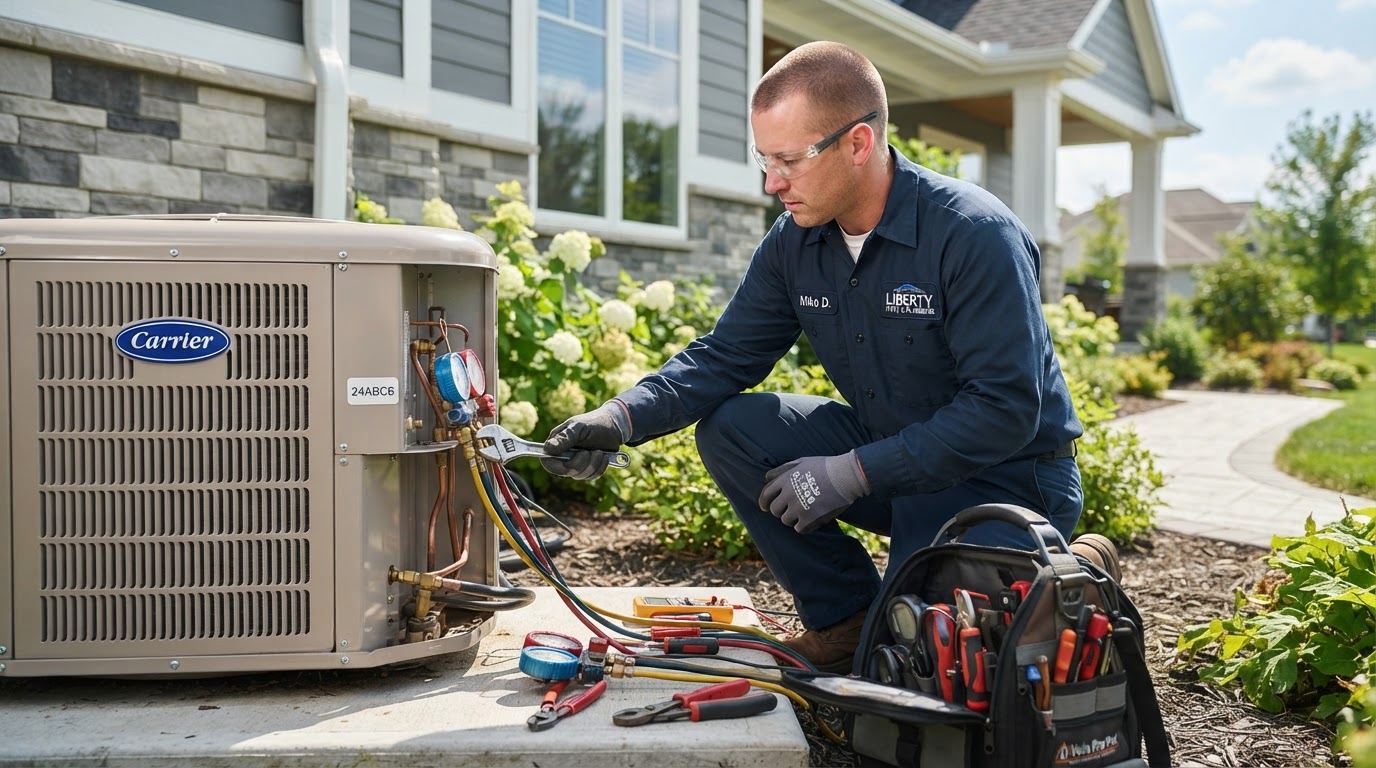
If you run a plumbing business, you already know the problem. Your best plumber is elbow-deep under a bathroom sink, pipe wrench in hand, water shut off, customer standing over them — and the office phone starts ringing. It's a new caller with a backed-up drain who pulled your number off a Google search. The call goes to voicemail. The homeowner immediately dials the next plumber on the list.
Missed calls in plumbing aren't just a customer-service issue. They're a revenue issue. Every unanswered ring during a busy service day, every inquiry that lands in voicemail after hours, every lead that goes cold because nobody followed up — that's a job walking out the door and straight to a competitor who picked up.
This article walks through how a properly configured AI assistant like Ginnie AI can help your plumbing business capture more of those opportunities without adding payroll, what to look for before you buy, and the honest limits of what AI can and can't do in a field-service trade like plumbing.
Why unanswered calls can cost plumbing businesses opportunities
Plumbing is a needs-now business. When a homeowner's water heater leaks at 7 AM or a drain backs up on a Saturday, they don't shop around patiently — they call until someone answers. The first plumber to pick up the phone wins a disproportionate share of those calls. The second call rarely comes.
The problem is that the people who'd answer that call are the same people doing the work. A two-truck operation can't have someone sitting by the phone while both plumbers are on jobs. A growing shop may have a dispatcher juggling scheduling, parts runs, and customer questions all at once. The busier you get, the more calls you miss — and the more calls you miss, the harder it is to keep growing.
Then there's after-hours. Plumbing emergencies don't respect business hours. A burst pipe at 11 PM is every bit as urgent to the homeowner as a daytime leak — but if your phone goes to voicemail, that lead is gone by morning. And for genuinely dangerous situations — a gas leak, a sewer backup, water near electrical — a missed call isn't just lost revenue. It's a safety risk for the caller who needed guidance right now.
What plumbing businesses should look for in AI
Not every AI answering service is built for a field-service trade. Before you consider one, here's what actually matters for a plumbing operation:
- Call handling: Does it answer every call instantly, 24/7, and never let one ring out?
- Lead capture: Does it collect the caller's name, address, phone number, and a description of the issue so your dispatcher has what they need?
- Business-specific knowledge: Can you configure it with your actual services, service areas, business hours, and diagnostic fees — not just a generic plumbing script?
- Appointment support: Can it support booking, rescheduling, and reminders where you've set it up, and route emergencies to the right person immediately?
- Escalation: Does it know how to flag a genuine emergency — and for dangerous situations, direct callers to appropriate emergency services per your instructions?
- Follow-up: Can it help with reminders and consistent follow-up so service requests don't fall through the cracks?
- Integration: Does it connect to your calendar and CRM so captured leads don't disappear into a separate system you have to check?
Customer call handling and lead capture
A properly configured Ginnie AI assistant doesn't just pick up the phone. It captures the opportunity. When a homeowner calls, Ginnie can answer immediately, ask the right questions to understand the issue, provide approved information about your services and service area, and capture the caller's details so your team can follow up — all within the boundaries you set.
The key word is configured. Ginnie uses the business information you provide. You define what it may answer (your service areas, your hours, your standard diagnostic or trip fee), what it must escalate (a no-water emergency, a gas smell, water rising near electrical), and how it routes conversations that need a human. It's not improvising pricing or promising same-day service you can't deliver. It's applying your rules consistently, on every call, without getting busy or distracted.
That's the difference between an AI that answers and an AI that supports your business. The first says hello and takes a message. The second captures the lead, keeps the customer engaged, and makes sure the right conversation reaches the right person — whether that's your dispatcher, your lead plumber, or you.
Scheduling and follow-up workflows
Capturing the lead is only half the job. The other half is converting it into a booked service call — and keeping that appointment. This is where many plumbing shops lose opportunities even after the call was answered.
Where configured, Ginnie can support appointment scheduling, rescheduling, and reminders. A customer who books a water heater replacement gets a reminder so they don't forget. A reschedule request gets handled without three rounds of phone tag. A follow-up that should happen after a repair — 'is everything running normally?' — actually happens, because it's not relying on someone remembering between jobs.
Consistency is the whole game. Your plumbers don't forget to show up — but the office follow-up is the first thing that slips when the day gets busy. An AI assistant doesn't get busy, doesn't deprioritize the reminder, and doesn't let a captured lead go cold because nobody circled back.
Realistic plumbing scenarios
Picture a real Wednesday morning. Your lead plumber is forty minutes into a repipe job under a kitchen sink — tools out, water off, pipes cut. A homeowner two neighborhoods over calls your office: their kitchen drain is backed up, water is pooling, and they've got guests arriving tonight.
Here's how it plays out without help: the call rings out, the homeowner leaves no message, and they're on the phone with the next plumbing company in under ninety seconds. You lost a $250 service call because your plumber was doing the work you pay them to do.
Here's how it plays out with a properly configured assistant: Ginnie answers immediately, confirms it's a drain issue in your service area, lets the homeowner know a technician is available and explains your standard diagnostic fee, captures the name, address, and callback number, and routes the lead to your dispatcher with a note that it's a same-day request. Your plumber finishes the repipe, checks the alert, and calls the homeowner back to schedule. The job that would have gone to a competitor is now on your calendar.
The same applies across your services: a caller asking about a tankless water heater installation and whether you offer financing, a property manager needing a quote on a multi-unit repipe, a past customer with a slow drain who hasn't called you in a year and is ready to book. Each one is a potential job — and each one is a call that, if unanswered, goes to the next plumber on the list.
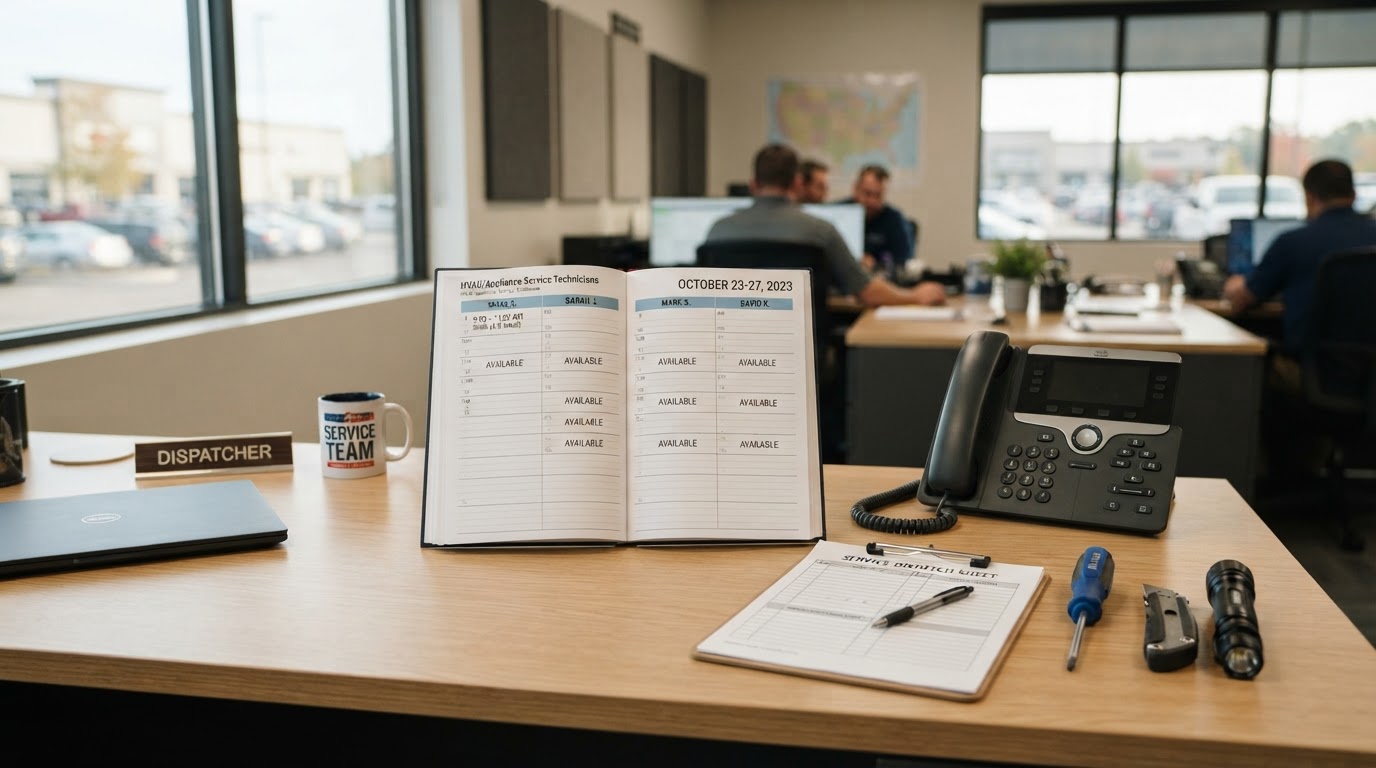
The empty service-window concept
Look at your plumber's calendar for next week. If you see open slots — an unscheduled hour here, a half-day gap there — that's not a crisis. It's capacity. Empty service windows are potential revenue sitting unused, and the difference between a full calendar and a sparse one often isn't demand. It's whether every inquiry that could have filled those slots was actually answered and followed up with.
AI support doesn't create demand for plumbing services. It helps you capture the demand that's already trying to reach you — the after-hours calls, the lunchtime inquiries, the second-call homeowners who would have booked with you if someone had just picked up. Better call handling and timely follow-up may help you fill appointments that otherwise sit empty.
The honest version: Ginnie AI won't automatically dispatch plumbers, diagnose plumbing problems over the phone, guarantee bookings, or fill every open slot. What it can do is make sure the calls that could fill those slots don't disappear unanswered — and that the leads you do capture get followed up consistently enough to actually convert.
What Ginnie AI won't do
It's worth being honest about the limits. Ginnie AI does not diagnose plumbing problems, perform repairs, thread pipe, or replace a qualified plumber's judgment on site. It does not guarantee emergency dispatch or promise a specific technician's availability. What it does is handle the communication work that surrounds the job — answering, capturing, scheduling, reminding, and following up — so your team can focus on the work in front of them.
For potentially dangerous situations — a suspected gas leak, water rising near electrical panels, a sewer backup creating a health hazard — Ginnie should follow your approved escalation instructions. That may mean directing the caller to appropriate emergency services immediately, alerting you right away, or both. You define those rules. The AI applies them consistently, every time, without panicking or improvising.
Buyer checklist for plumbing businesses
Whether you're evaluating Ginnie AI or any other tool, here's a practical checklist for a plumbing operation:
- Does it answer every call, including after-hours and when my team is on another job?
- Can I configure it with my actual services, service areas, and diagnostic fees — not a generic plumbing script?
- Does it capture the lead details my dispatcher needs (name, address, callback, issue description)?
- How does it handle emergencies — does it alert me immediately, or just take a message?
- Can it direct callers to appropriate emergency services for dangerous situations per my instructions?
- Does it integrate with my calendar and CRM, or does it create a separate system I have to check?
- What does follow-up look like — can it send reminders and keep leads warm when my team is busy?
- What are the total costs, setup fees, and who updates the knowledge base when my services change?
Is Ginnie AI right for your plumbing business?
The honest way to decide is to work backwards from the problem. If your plumbers are in the field while calls go unanswered, if after-hours inquiries hit voicemail, if captured leads go cold because nobody has time to follow up, and if your service calendar has open slots that better call handling could fill — then AI support is worth exploring. If you're already capturing every call and following up on every lead, it may not be the right fit yet.
The best way to know is to experience it. Try the live demo, see how Ginnie handles a real plumbing customer conversation, and review the plans to understand the investment before you commit. You don't need to guess whether it fits your business — you can see it work first.
Frequently asked questions
Can Ginnie AI diagnose my plumbing problems over the phone?+
No. Ginnie captures the inquiry, provides approved information, and routes the lead to your dispatcher with the details they need to schedule. The diagnosis and repair stay with your plumbers. Ginnie supports the conversation, not the plumbing work.
Does Ginnie AI replace my dispatcher or office staff?+
No. Ginnie handles repetitive call handling and lead capture so your dispatcher can focus on scheduling, parts, and customer relationships. It increases capacity without replacing people.
Can Ginnie answer questions specific to my plumbing business?+
Yes. Ginnie uses the approved business information you configure — your services, service areas, hours, and fees. You define what it may answer and what it must escalate to a human.
How does Ginnie handle dangerous or emergency situations?+
For potentially dangerous situations like a suspected gas leak, water near electrical, or a sewer backup, Ginnie follows your approved escalation instructions — which may include directing callers to appropriate emergency services immediately and alerting you right away. You define the rules.
What happens to after-hours emergency calls?+
Where configured, Ginnie can answer immediately, capture the emergency details, and alert the right person right away so a burst pipe or no-water call doesn't sit in voicemail until morning.
Does Ginnie AI guarantee more plumbing leads or revenue?+
No tool can guarantee results. Ginnie helps you capture more of the opportunities already trying to reach you by answering faster, following up consistently, and reducing missed calls during your busiest times.
Can I try Ginnie AI before buying?+
Yes. You can experience Ginnie live on the See Ginnie in Action page and review plumbing plans and pricing before committing.
A note from DFA Marketing: This article is general business guidance, not a guarantee of results. Your outcomes depend on your business, your configuration, your leads, and how you use the tools. We share what we've observed honestly — including the limitations.